
Human Growth Hormone (HGH) Information & Wellness Resources | Pet Well Global
Human Growth Hormone (HGH)
Human Growth Hormone (HGH) is a naturally occurring hormone produced by the pituitary gland that plays an important role in growth, metabolism, body composition, and overall physiological function. HGH continues to be a major topic of interest within medical research, health sciences, sports medicine, endocrinology, and wellness discussions worldwide. As interest in hormone health grows, individuals increasingly seek reliable information regarding growth hormone function, hormone balance, healthy aging, metabolism, recovery, and overall wellbeing.
This category provides educational information and resources related to Human Growth Hormone, growth hormone research, endocrine health, hormone wellness, metabolic function, and related healthcare topics. Whether you are researching HGH, learning about hormone function, or exploring wellness information, this section offers valuable content designed to help improve understanding of growth hormone and its role within the human body.
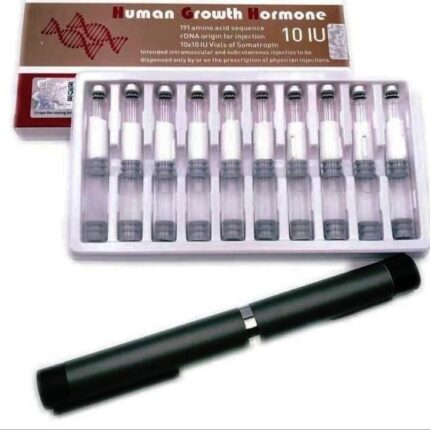
Beltropin 100IU HGH Pen
Original price was: $120.00.$110.00Current price is: $110.00.
Bleeder Breather Injection
Original price was: $35.00.$30.00Current price is: $30.00.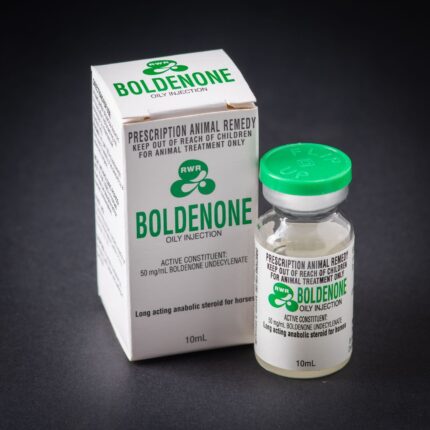
Boldenone
Original price was: $50.00.$45.00Current price is: $45.00.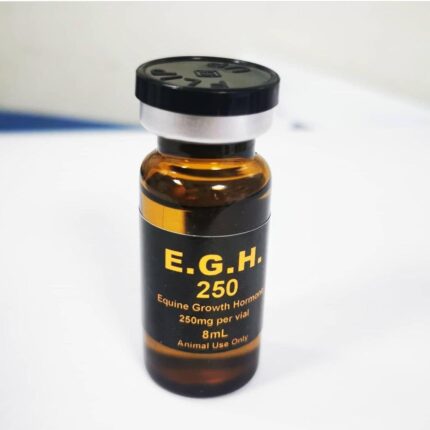
EGH Equine Growth Hormone
Original price was: $50.00.$45.00Current price is: $45.00.
Enigma Injection
Original price was: $65.00.$60.00Current price is: $60.00.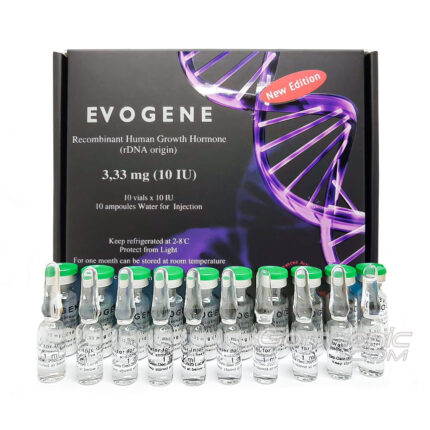
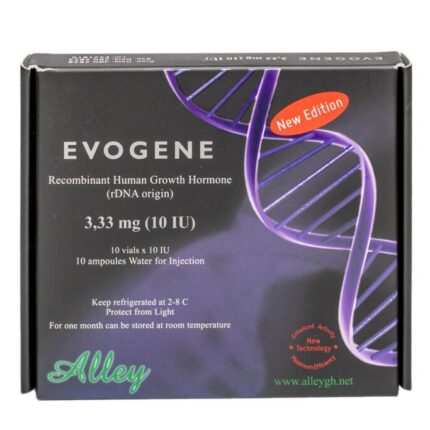
Evogene HGH
Original price was: $225.00.$210.00Current price is: $210.00.
ex-pois injection
Original price was: $55.00.$50.00Current price is: $50.00.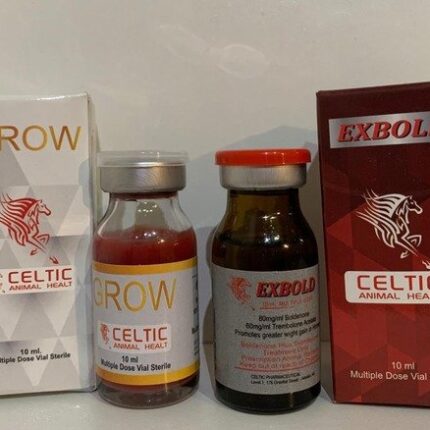
EXBOLD
Original price was: $70.00.$60.00Current price is: $60.00.
Gonadorelin 5ml
Original price was: $65.00.$60.00Current price is: $60.00.

Humatrope
Original price was: $360.00.$350.00Current price is: $350.00.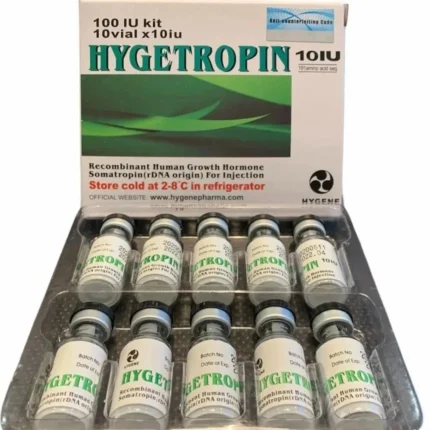
Hygetropin Injection
Original price was: $130.00.$120.00Current price is: $120.00.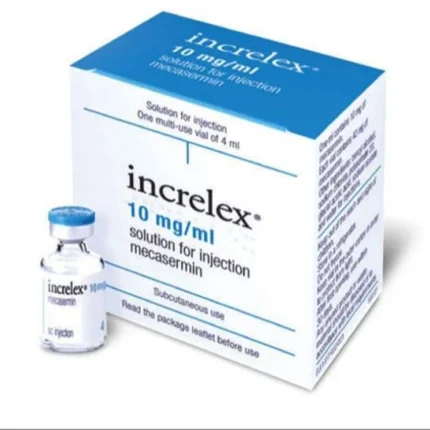
Increlex Injection 10mg/ml
Original price was: $600.00.$525.00Current price is: $525.00.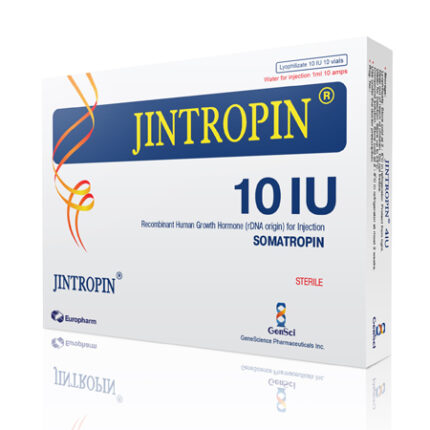
Jintropin 100iu
Original price was: $350.00.$280.00Current price is: $280.00.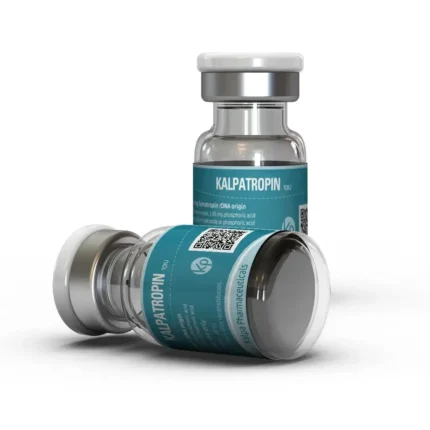
Kalpatropin 100iu
Original price was: $275.00.$230.00Current price is: $230.00.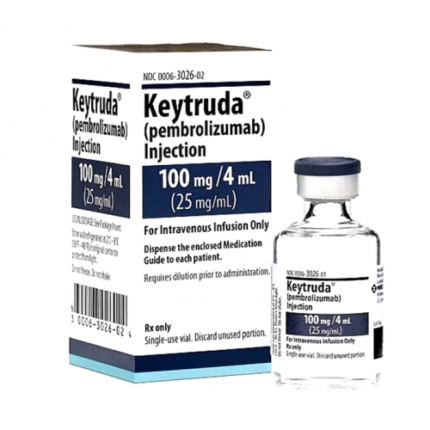
Keytruda Injection 100mg/4ml
Original price was: $2,500.00.$2,300.00Current price is: $2,300.00.Complete Guide to Human Growth Hormone (HGH)
Human Growth Hormone, commonly known as HGH, is one of the most widely discussed hormones in modern medicine and health science. Produced naturally by the pituitary gland, HGH plays a central role in growth, development, metabolism, cellular repair, and numerous biological processes throughout life.
Interest in HGH continues to expand globally as researchers, healthcare professionals, and wellness experts investigate its role in human health, endocrine function, healthy aging, physical performance, recovery, and body composition. Understanding the basics of growth hormone can help individuals make informed decisions regarding their health and wellness goals.
What Is Human Growth Hormone?
Human Growth Hormone is a peptide hormone produced by the anterior pituitary gland. It helps regulate numerous biological processes throughout the body and is involved in growth and development during childhood and adolescence.
Even after growth is complete, HGH continues to play important roles in:
- Metabolic function
- Tissue maintenance
- Bone health
- Muscle development
- Cellular repair
- Energy regulation
- Overall physiological balance
Growth hormone production naturally fluctuates throughout life and is influenced by factors such as age, sleep quality, physical activity, nutrition, and overall health status.
The Role of HGH in the Human Body
Growth hormone contributes to many normal biological functions.
Growth and Development
One of the primary functions of HGH is supporting normal growth during childhood and adolescence. It works alongside other hormones and growth factors to help regulate physical development.
Metabolism
Growth hormone plays a role in metabolic processes involving energy utilization and nutrient regulation.
Muscle Maintenance
HGH contributes to normal tissue maintenance and may influence processes related to muscle health and body composition.
Bone Health
Healthy growth hormone function supports normal bone development and maintenance throughout life.
Cellular Repair
Research continues to explore HGH's involvement in cellular maintenance and tissue recovery mechanisms.
Factors That Influence Growth Hormone Levels
Several lifestyle and physiological factors may influence natural growth hormone production.
Sleep
Growth hormone secretion is closely associated with sleep patterns, particularly deep sleep stages.
Physical Activity
Regular exercise may support natural hormone function and overall health.
Nutrition
Balanced nutrition contributes to healthy endocrine function and metabolic health.
Age
Growth hormone production naturally changes over time and generally declines with age.
Overall Health
General wellness and endocrine system health can influence hormone regulation.
HGH and Wellness Research
Human Growth Hormone remains a significant area of scientific and medical research.
Researchers continue to study:
- Healthy aging
- Metabolic health
- Exercise physiology
- Recovery processes
- Endocrine system function
- Hormone balance
- Body composition
Advancements in medical science continue to improve understanding of hormone-related health and wellness topics.
Understanding Hormone Balance
Hormones work together within complex systems that regulate numerous bodily functions.
Maintaining overall health often involves supporting:
- Quality sleep
- Regular physical activity
- Balanced nutrition
- Healthy body composition
- Stress management
- Preventive healthcare
These factors contribute to overall endocrine wellness and healthy physiological function.
HGH and Healthy Aging
One reason HGH attracts significant attention is its relationship to aging.
As individuals age, natural hormone production patterns may change. Researchers continue investigating the connections between hormone regulation, metabolic health, physical function, and healthy aging.
Healthy aging strategies often emphasize:
- Nutrition
- Exercise
- Sleep quality
- Preventive healthcare
- Lifestyle management
Importance of Professional Medical Guidance
Hormone-related health decisions should always involve qualified healthcare professionals.
Healthcare providers can evaluate:
- Individual health status
- Medical history
- Hormone function
- Appropriate testing
- Evidence-based recommendations
Professional guidance helps ensure safe and informed healthcare decisions.
Why HGH Continues to Be a Popular Research Topic
Interest in growth hormone remains strong because of its broad influence on multiple physiological systems.
Areas of continued interest include:
- Endocrine health
- Physical performance
- Recovery science
- Metabolic regulation
- Longevity research
- Wellness optimization
Ongoing scientific research continues to expand understanding of these complex relationships.
Educational Resources and Health Awareness
Reliable information is essential when researching hormone-related topics.
Educational resources help individuals:
- Understand hormone function
- Learn about endocrine health
- Explore current research
- Discuss concerns with healthcare providers
- Make informed wellness decisions
Accurate information supports responsible health management and informed decision-making.
Frequently Asked Questions
What is Human Growth Hormone (HGH)?
HGH is a naturally occurring hormone produced by the pituitary gland that plays important roles in growth, metabolism, and tissue maintenance.
What does HGH do in the body?
Growth hormone contributes to growth, metabolic processes, cellular maintenance, and various physiological functions throughout life.
Does HGH production change with age?
Yes. Natural growth hormone production patterns typically change over time as part of the normal aging process.
Why is HGH important?
Growth hormone supports multiple biological functions related to development, metabolism, and overall health.
Why do people research HGH?
Many individuals are interested in hormone health, healthy aging, metabolism, wellness, and the role hormones play in overall physiological function.
Conclusion
Human Growth Hormone (HGH) remains one of the most important hormones involved in growth, metabolism, tissue maintenance, and overall physiological function. Continued research into endocrine health, hormone balance, wellness, and healthy aging has increased public interest in understanding HGH and its role within the body.
This category serves as an educational resource for individuals interested in learning more about growth hormone science, hormone health, metabolic function, and wellness-related topics. Understanding how hormones contribute to overall health can support informed discussions with healthcare professionals and encourage responsible health management.